Espartaco - Historia - Parte 4 de 4

¡Prepárese para el gran final! Nuestra introducción histórica a Espartaco: Roma amenazada concluye con un dramático enfrentamiento que le dejará en vilo.

Don’t miss out on this thrilling conclusion! Read the previous chapters here and prepare to be captivated by the story of Spartacus.
Parte 1
Parte 2
Parte 3

After suppressing Quintus Sertorius’s rebellion in Hispania, Pompey’s legions were returning to Italy. While sources differ on whether Crassus had specifically requested reinforcements, the Senate seized the opportunity of Pompey’s return to Italy and ordered him to bypass Rome and head south to assist Crassus in suppressing the slave revolt. To further bolster Crassus’s forces, the Senate also dispatched reinforcements under the command of Marcus Terentius Varro Lucullus, the proconsul of Macedonia.
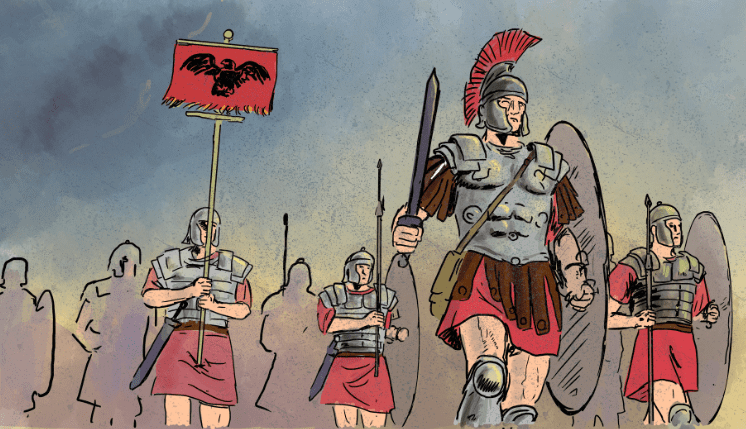
Apprehended by the prospect of losing credit for the war to the arriving reinforcements, Crassus intensified his efforts to swiftly quell the slave revolt. Spartacus, anticipating Pompey’s approach, attempted to negotiate an end to the conflict with Crassus but was met with refusal.

As a result, Spartacus and his army broke through the Roman fortifications and retreated towards the Bruttium peninsula, followed closely by Crassus’s legions. In a skirmish with a portion of Spartacus’s army led by Gannicus and Castus, Crassus’s forces inflicted a significant defeat, killing 12,300 rebels.
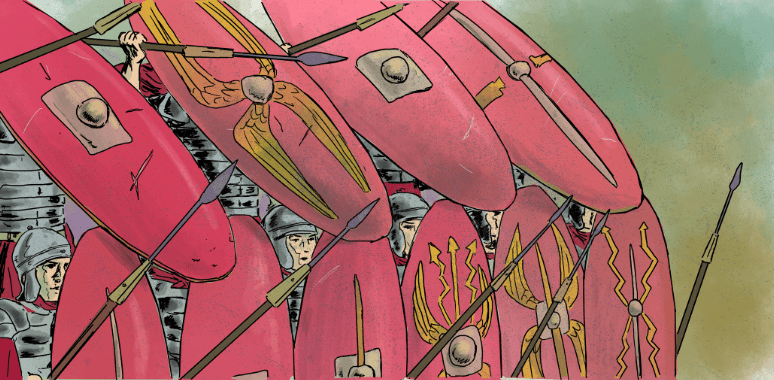
Despite heavy losses, Crassus’ legions were struggling to contain Spartacus’s rebel army. The Roman cavalry, led by Lucius Quinctius, was ambushed and annihilated by escaping slaves. As the rebels’ morale faltered, they began to splinter, launching desperate attacks against Crassus’ forces.

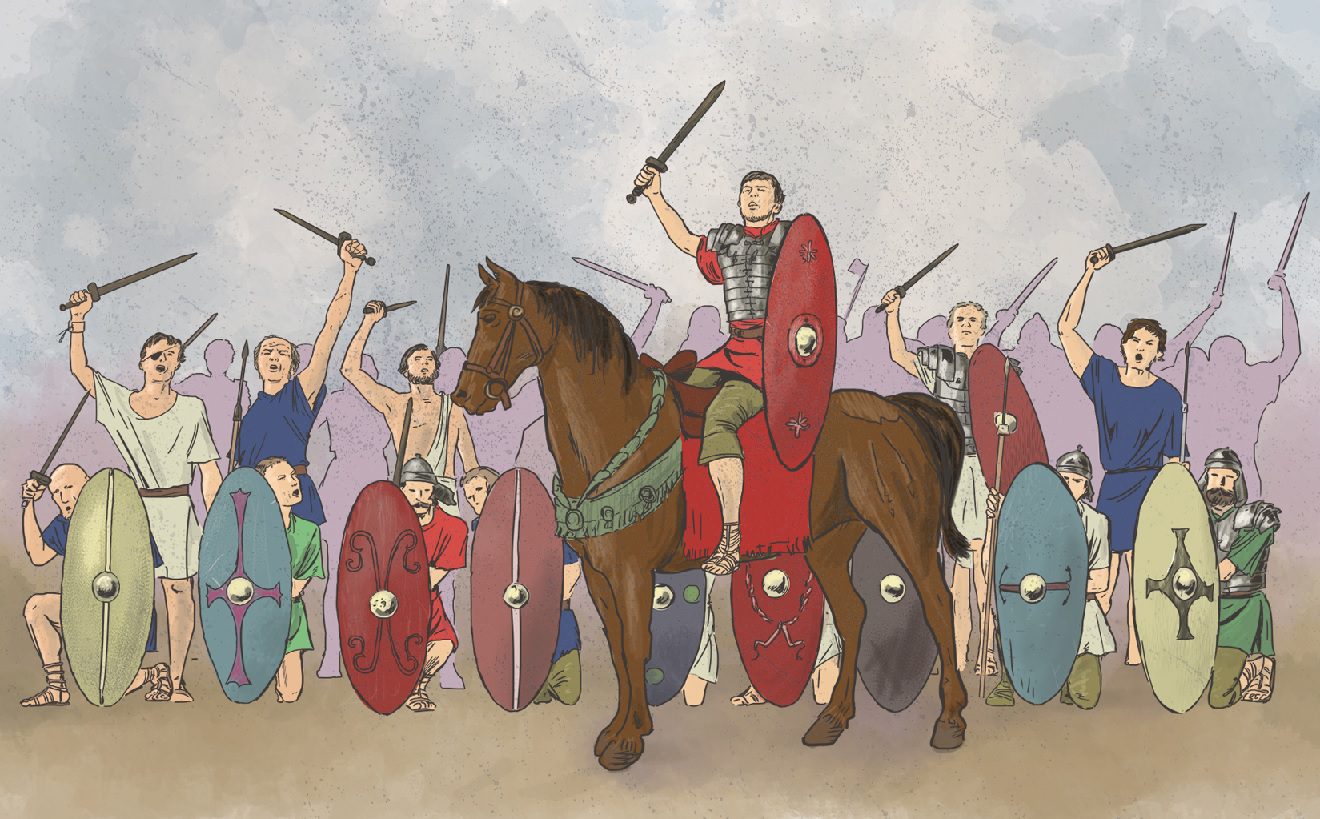
En una última y desesperada batalla en el río Silarius, Espartaco, el legendario gladiador convertido en líder rebelde, hizo un gesto dramático que simbolizaba su inquebrantable determinación. Mató a su caballo delante de sus tropas, declarando que la victoria traería más caballos, pero que la muerte los haría innecesarios. Este acto, tal vez imbuido de un significado ritual, marcó el tono del baño de sangre subsiguiente.

Espartaco avanzó con intenciones feroces, abriendo una brecha en las filas enemigas. Se creía que su objetivo final era Craso, el general romano que lideraba las fuerzas enemigas. Sin embargo, a pesar de sus valientes esfuerzos, Espartaco cayó bajo una lluvia de flechas y su cuerpo quedó irreconocible en medio de la carnicería. La victoria romana fue decisiva, y Craso, para infundir miedo a los posibles rebeldes, ordenó la crucifixión de 6.000 prisioneros supervivientes a lo largo de la Vía Apia. Aunque los historiadores antiguos afirmaron que Espartaco pereció en la batalla, su cuerpo nunca fue recuperado. La Tercera Guerra Servil llegó a su fin con la victoria decisiva de Craso.
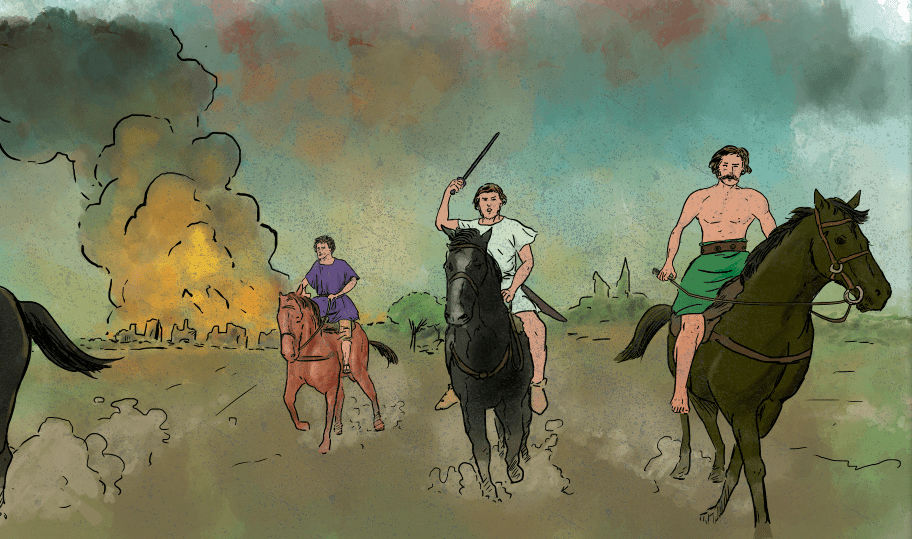
The war, however, was not yet over. Numerous fugitives attempted to escape northward, only to be intercepted by Pompey’s army in Etruria. Pompey’s annihilation of these remnants of the rebellion secured his own claim to fame and overshadowed Crassus’s earlier victory. He boasted that while Crassus had defeated the slaves in battle, he had eradicated the war’s very roots.

Despite his defeat and death, Spartacus’s legacy endured. His name became synonymous with rebellion and resistance, a symbol of hope for the oppressed. While Crassus and Pompey, the victorious generals, eventually met tragic ends, Spartacus’s memory lived on as a mythical hero of freedom.
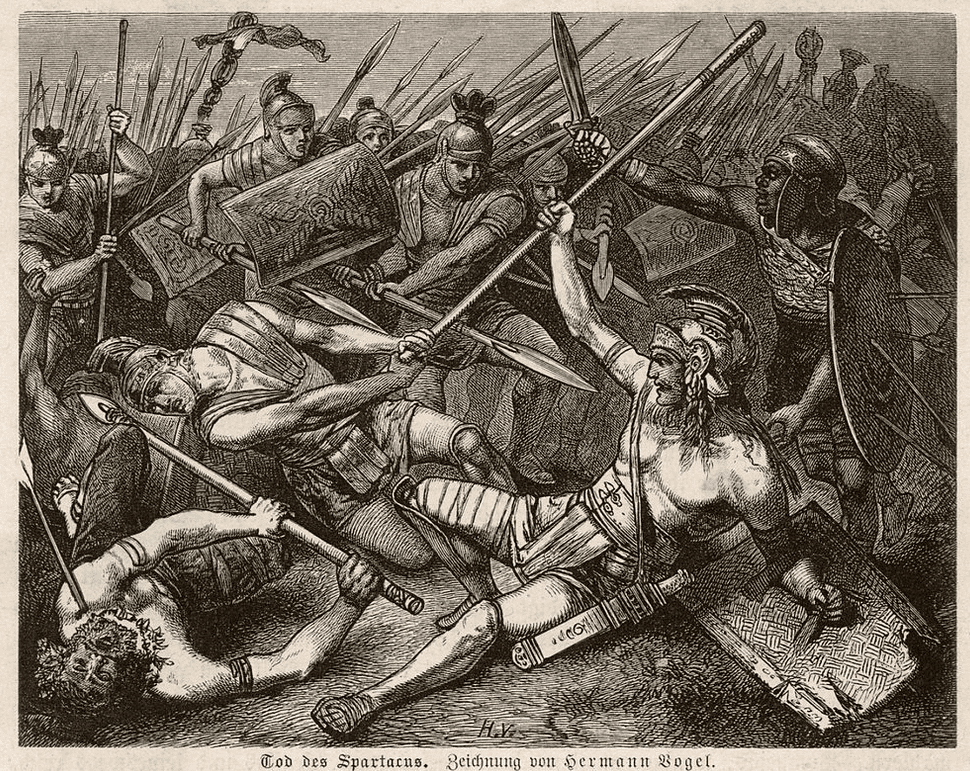
Tod des Spartacus por Hermann Vogel.

La Tercera Guerra Servil fue el último gran levantamiento de esclavos de la historia romana. Roma no experimentaría otra rebelión de esta magnitud en los siglos venideros.
Espartaco - Historia - Parte 3 de 4

Third chapter of a 4-part series on Spartacus: Rome Under Threat. If you haven’t read the previous parts you can check it out here:
Parte 1
Parte 2

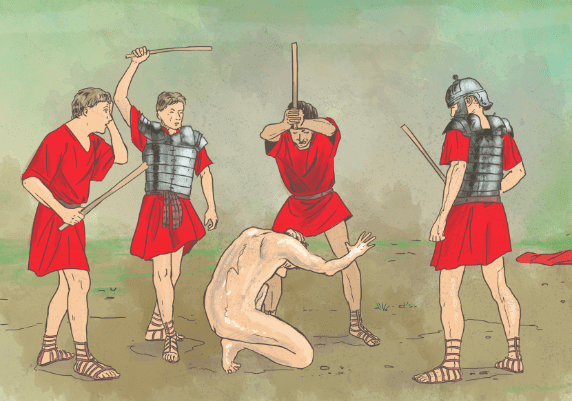
Despite conflicting accounts in ancient sources, it’s generally agreed that Spartacus and his followers were based in southern Italy by early 71 BC. Faced with this escalating rebellion, the Roman Senate appointed Marcus Licinius Crassus to quell the uprising. A veteran of Sulla’s civil war, Crassus commanded a substantial army of approximately 32,000 to 48,000 Roman infantry and auxiliaries. Known for his harsh discipline, Crassus revived the practice of decimation, executing one-tenth of a unit as punishment for cowardice or failure.

As Spartacus’ forces advanced northward, Crassus deployed six legions along the region’s borders. The initial confrontation occurred near Picenum according to Plutarch, while Appian places it in Samnium. Crassus dispatched two legions under Mummius to outflank Spartacus but forbade them from engaging. Despite these orders, Mummius attacked and was defeated. However, Crassus subsequently engaged Spartacus and achieved a decisive victory, inflicting approximately 6,000 casualties on the rebel army.

The tide turned in Crassus’ favor, with his legions winning several more battles and forcing Spartacus to retreat south through Lucania to the straits near Messina. According to Plutarch, Spartacus negotiated with Cilician pirates to transport him and 2,000 of his men to Sicily, where he planned to instigate a slave revolt. However, the pirates betrayed him, taking payment and abandoning the rebels. While minor sources mention attempts at raft and shipbuilding by the rebels, Crassus prevented their escape to Sicily.
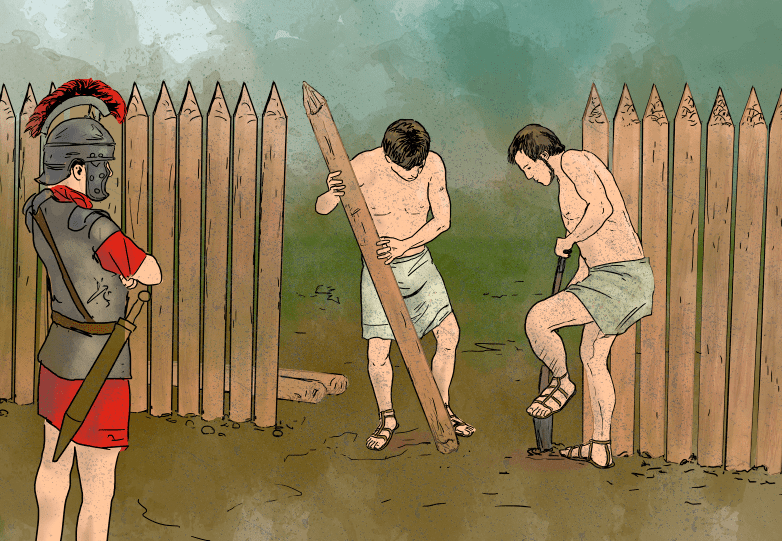
Spartacus’ forces retreated to Rhegium, followed by Crassus’ legions. Crassus fortified the isthmus at Rhegium, effectively besieging the rebels and cutting off their supplies.

Continue reading part 4…

Espartaco - Historia - Parte 2 de 4

It is time for the second chapter of a 4-part series on Spartacus: Rome Under Threat. If you haven’t read the first part you can check it out here:
Parte 1

En la primavera del 72 a.C., los esclavos fugitivos abandonaron sus campamentos de invierno y se dirigieron al norte, hacia la Galia Cisalpina.

Alarmed by the rebellion’s scale and the defeats of praetorian armies under Glaber and Varinius, the Senate dispatched two consular legions commanded by Lucius Gellius and Gnaeus Cornelius Lentulus Clodianus. Initially triumphant, Gellius engaged around 30,000 slaves led by Crixus near Mount Garganus, decimating the rebels, and killing Crixus.

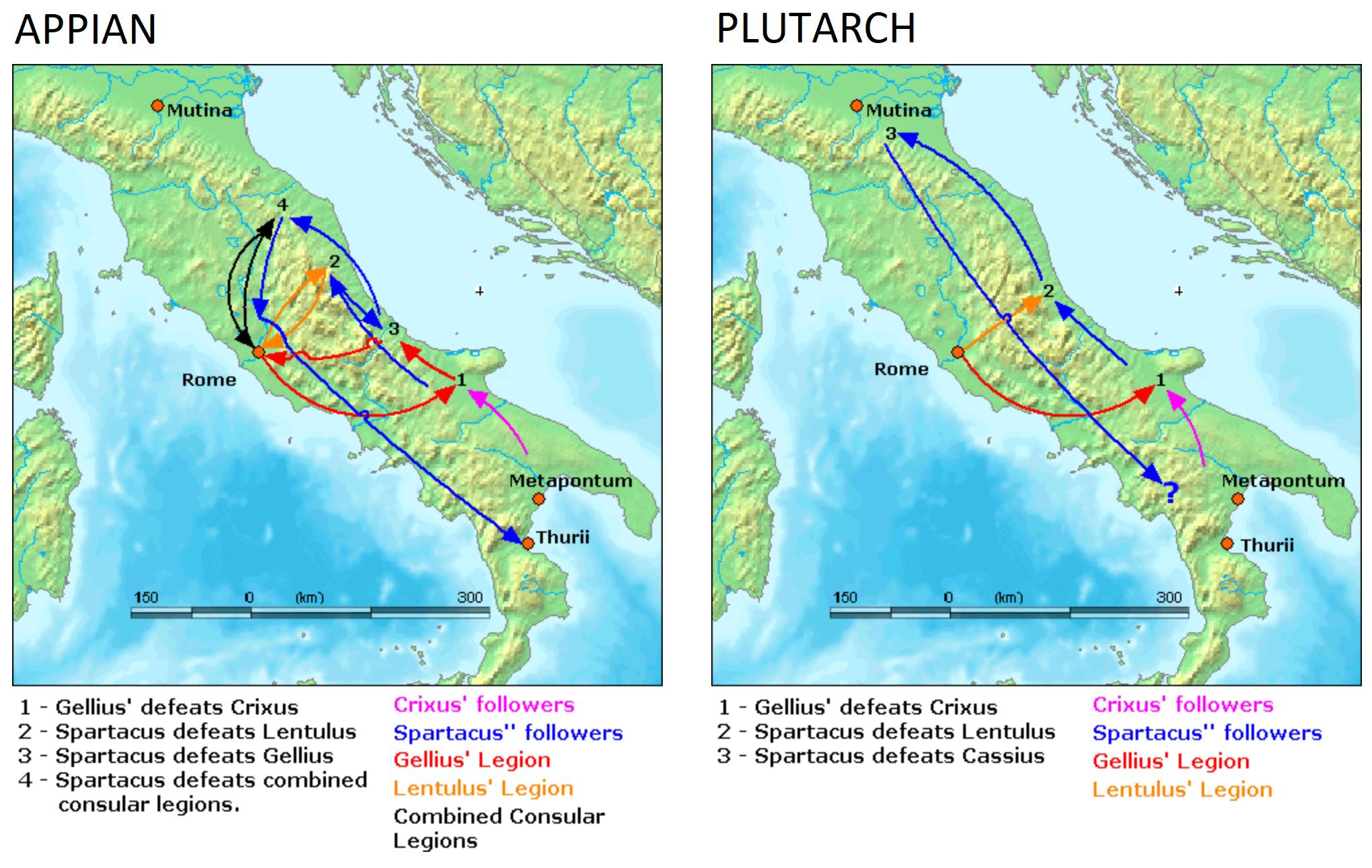
At this point, classical accounts diverge, reconverging only with Crassus’s involvement. Appian and Plutarch offer comprehensive, yet disparate narratives. Neither directly contradicts the other, but each presents unique events while omitting elements from the opposing account.

Appian’s Account
Appian portrays the victory over Crixus as the prelude to a complex series of maneuvers nearly bringing Spartacus’s forces to Rome. Following Crixus’s defeat, Gellius pursued Spartacus’s main force towards Cisalpine Gaul, while Lentulus blocked their path. Spartacus defeated Lentulus, then turned to crush Gellius, scattering the Roman legions. Appian claims Spartacus executed 300 captured Romans, forcing them to fight to the death as gladiators, avenging Crixus.

With 120,000 followers, Spartacus rapidly pushed north, burning supplies, killing prisoners, and slaughtering pack animals to accelerate his advance. The defeated consuls retreated to Rome, while Spartacus’s army pressed on. Another consular defeat at Picenum followed. Appian suggests Spartacus initially intended to march on Rome but changed course due to inadequate armament and lack of allied cities, retreating to southern Italy. The rebels seized Thurii, plundered the region, traded for arms, and clashed with repeatedly defeated Roman forces.

Plutarch’s Account
Plutarch offers a contrasting narrative. After Gellius’s victory over Crixus (described as “Germans”), Spartacus defeated Lentulus, seized Roman supplies, and advanced into northern Italy. The Senate recalled both consuls. Unlike Appian, Plutarch omits Spartacus’s engagement with Gellius and the Picenum battle. Plutarch details a conflict absent from Appian: Spartacus’s army advanced towards Mutina (modern Modena), where a Roman force led by Gaius Cassius Longinus was defeated. Plutarch then fast-forwards to Crassus’s initial clash with Spartacus in the spring of 71 BC, ignoring Appian’s Rome march and Thurii retreat. As Plutarch describes Crassus forcing Spartacus’s retreat from Picenum in 71 BC, it implies a winter withdrawal from Mutina to southern or central Italy. The reasons for this retreat, given the apparent opportunity to cross the Alps, remain unexplained.

Varias teorías sugieren que Espartaco y su ejército podrían haber reconsiderado su ruta de huida, optando por regresar al sur en lugar de la peligrosa travesía de los Alpes. Estas posibilidades incluyen la naturaleza desalentadora de los Alpes, el encanto embriagador de conquistar Roma después de victorias anteriores, o divisiones internas dentro de la rebelión que hicieron necesario un cambio de planes.

Continue reading part 3…

Espartaco - Historia - Parte 1 de 4

Prepárese para desempolvar sus sandalias y adentrarse en el corazón de la antigua Roma.
Our game designer, José Manuel Neva, brings you the first chapter of a 4-part series on Spartacus: Rome Under Threat. Get ready to be immersed in this epic adventure through history!

La esclavitud era una piedra angular de la economía romana, ya que proporcionaba una mano de obra vasta y barata adquirida a través del comercio y la conquista. La inmensa y oprimida población esclava desencadenó múltiples rebeliones. Aunque la Primera y la Segunda Guerras Serviles en Sicilia fueron disturbios importantes sofocados por el poderío militar romano, no se percibieron como amenazas existenciales para la República.

This perception shifted with the Third Servile War. In the spring of 73 BC, a group of 74 to 78 gladiators staged a violent escape from Lentulus Batiatus’ gladiatorial school in Capua. Defeating a Roman force, they seized military equipment and, with growing numbers, established a base on Mount Vesuvius.

Led by Spartacus and his formidable lieutenants, Crixus and Oenomaus, the revolt and subsequent raids swiftly captured the attention of the Roman authorities. Initially dismissed as a large-scale criminal outbreak rather than a full-blown rebellion, the uprising among the enslaved population posed a direct threat to the elite’s cherished estates and vacation retreats.

By late that same year, Rome responded by dispatching a military force under the command of a praetor. Gaius Claudius Glaber assembled a hastily gathered militia of 3,000 men (ad tumultum), a far cry from the disciplined legions. Underestimating the severity of the situation, Rome viewed the conflict as little more than a banditry problem. Glaber’s strategy was simple: besiege the rebels on Mount Vesuvius and starve them into submission.

However, Spartacus and his followers proved to be a formidable adversary. Despite their lack of formal military training, they demonstrated remarkable ingenuity and tactical acumen. Utilizing the natural resources of Vesuvius, they fashioned ropes and ladders from vines and trees, enabling a daring escape down the mountain’s treacherous cliffs. Seizing the opportunity presented by Glaber’s lack of a defensive encampment, the rebels outflanked his forces, inflicting a crushing defeat.

A second Roman force, led by Praetor Publius Varinius, was subsequently dispatched to quell Spartacus’ rebellion. Inexplicably, Varinius divided his army, placing Furius and Cossinius in command of separate contingents. While Plutarch indicates Furius commanded approximately 2,000 soldiers, the overall size of the expeditionary force and its composition—militia or legionaries—remains uncertain. These Roman troops were decisively defeated by the rebel slaves. Cossinius was killed, Varinius narrowly escaped capture, and the Romans lost their equipment.

These victories propelled Spartacus’ army to new heights. Tens of thousands of additional slaves joined their ranks, as did numerous local herdsmen and shepherds. By the winter of 73-72 BC, the rebel force had swelled to an estimated 70,000 strong. This period was marked by intensive training, armament, and expansion of their territory, which now included the cities of Nola, Nuceria, Thurii, and Metapontum.

Sin embargo, estos triunfos no fueron gratuitos. Oenomaus, un destacado líder rebelde, pereció, presumiblemente en combate cuando los ejércitos esclavistas saqueaban ciudades y pueblos del sur de Italia.

Continue reading part 2…

Mar y Acero - Historia - Parte 4 de 4

Antonio Vaquera is back with the final chapter in our historical deep dive for Sea & Steel: Columbus’ Voyages.
Póngase al día con la serie aquí:
Leer parte 1.
Leer parte 2.
Lea la parte 3.

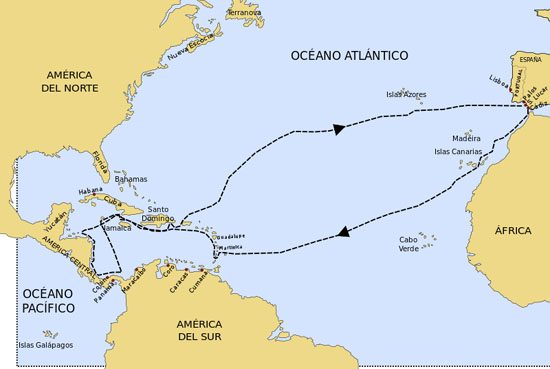
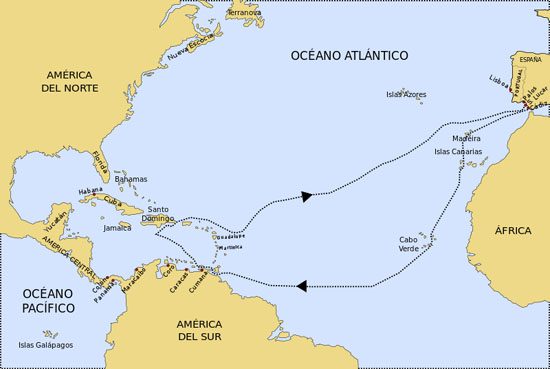
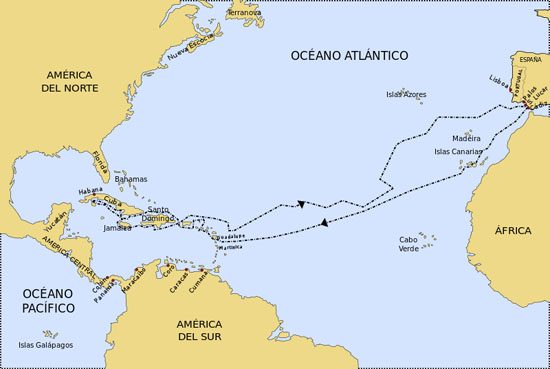
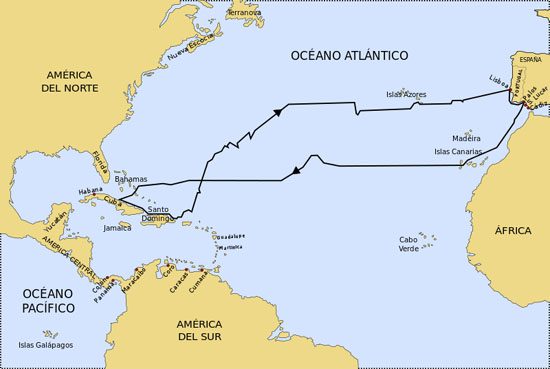
Mapa del cuarto viaje (Universidad Virtual Miguel de Cervantes)

Cuarto viaje (1502-1504)

Colón tenía 51 años, lo que le hacía viejo para la época, y padecía gota y artritis. Zarpó con una flota de dos carabelas y dos naves. Los monarcas aceptaron financiar el cuarto viaje con la condición de que no volviera a pisar la isla de La Española.

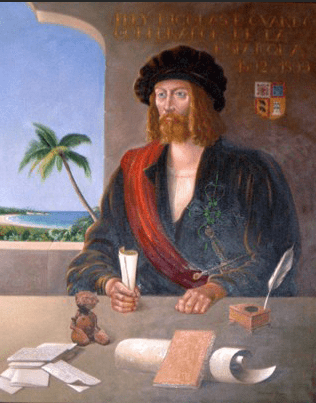
They departed from the port of Seville on April 3, 1502, and arrived in Santo Domingo, on the island of Hispaniola, on June 29. However, the new governor, Nicolás de Ovando, forbade them to disembark, following the orders of the monarchs. So, he sailed to Jamaica to resupply and then followed the coast of Cuba before heading west to the unexplored waters of the Caribbean.

Nicolás Ovando

Llegaron a la costa de lo que hoy se conoce como Centroamérica. El 5 de diciembre, después de haber recorrido prácticamente toda la costa centroamericana y con una tripulación exhausta, abandonó la búsqueda del paso occidental y se dirigió a Veraguas, en la actual Panamá, porque los nativos le habían dicho que había abundante oro.

Resignado a no poder establecer allí una colonia debido a la hostilidad y al mal tiempo, Colón decidió emprender el camino de regreso. Sin embargo, durante el viaje por el Caribe, todos los barcos estaban ya afectados por la broma (un molusco que se come la madera) y podridos, y empezaban a hundirse, al tiempo que también se veían afectados por un huracán.

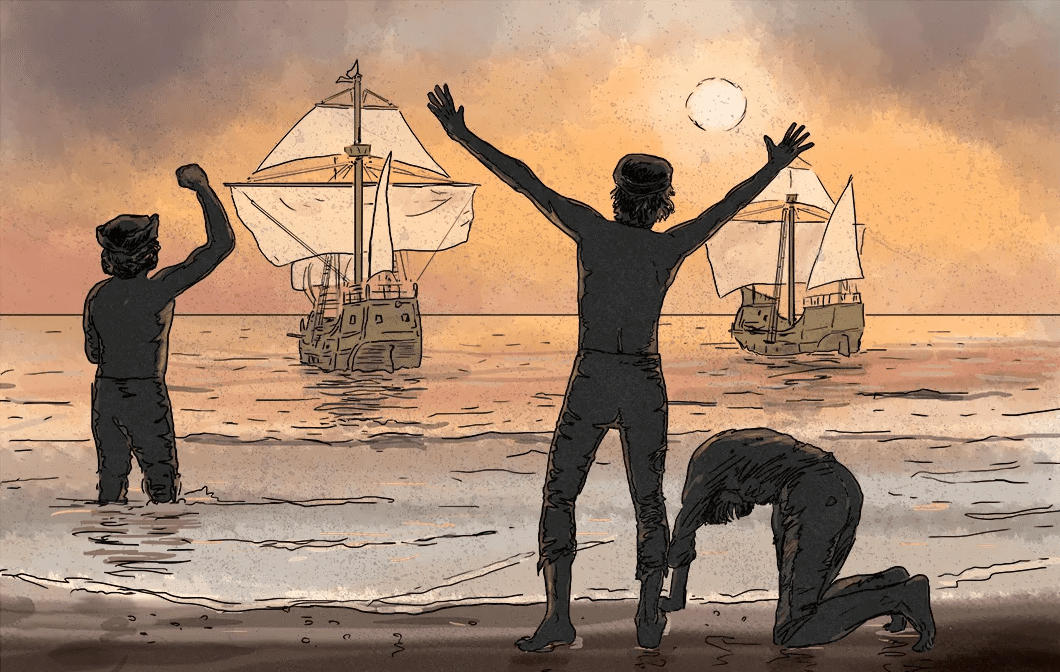
En junio de 1503, los barcos supervivientes de la expedición lograron llegar a duras penas a la isla de Jamaica, donde fueron varados por sus tripulaciones.

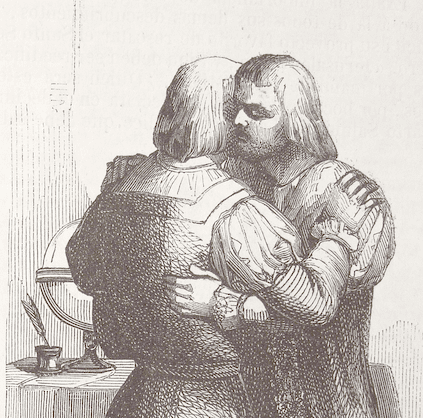
Columbus embraces Diego Méndez in gratitude for his loyalty and bravery. File: Vida y viajes de Cristobal Colón, 1851

Columbus proposed to Diego Méndez to go by canoe to La Española to ask for help.

Finally, the governor of La Española, Nicolás de Ovando, sent a ship to Jamaica that anchored at a distance. Only the captain’s boat reached the shore, which brought Columbus a roasted pig, some wine, and greetings from the governor.

On June 29, a caravel sent by Diego Méndez finally appeared on the island. At this time, there were 110 members of the expedition left alive.

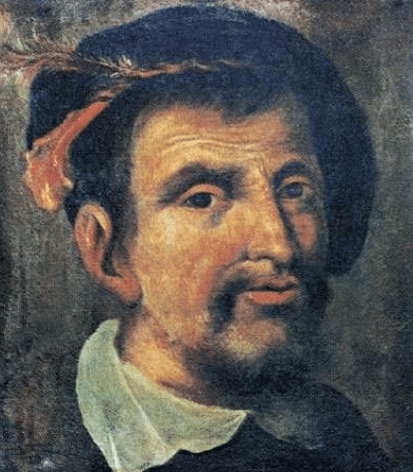
Hernando Colón

On September 11, 1504, Christopher Columbus and his son Hernando embarked on a caravel to travel from La Española to Spain. They arrived in Sanlúcar de Barrameda on November 7 and from there traveled to Seville.

En Sevilla, la enfermedad mantuvo a Colón postrado en cama. Sin embargo, pudo escribir su Libro de las Profecías y redactar varias cartas en las que expresaba su interés por los asuntos de la corte. El 26 de noviembre muere la reina Isabel.

Tomb of Christopher Columbus in the Seville Cathedral. The inscription on the pedestal reads: “When the island of Cuba emancipated from Mother Spain, Seville obtained the deposit of Columbus’ remains, and its city council erected this pedestal.” Picture by Miguel Ángle Photographer.

El 20 de mayo de 1506, Cristóbal Colón moría en Valladolid sin saber que sus exploraciones le habían conducido a un continente desconocido para los europeos de su época, que se llamaría América, fruto de un error al atribuir su descubrimiento a Américo Vespucio.

Mar y Acero - Historia - Parte 3 de 4

Antonio Vaquera (game designer) is back with the third part of the historical introduction of our game Sea & Steel: Columbus’ Voyages. If you haven’t read the previous parts:
Leer parte 1.
Leer parte 2.

Mapa del tercer viaje (Universidad Virtual Miguel de Cervantes)

Tercer viaje (1498-1500):

February 6, 1498: Two caravels, under the command of Pedro Fernández Coronel, departed from Sanlúcar de Barrameda with provisions and at least 55 soldiers for Hispaniola. Columbus himself set sail from the same port of Sanlúcar on May 30, 1498, with eight other ships. This fleet had a crew of 226 people.

31 de julio de 1498: Colón llega a la isla de Trinidad y explora la costa de Venezuela, convirtiéndose en el primer europeo que pone los ojos en la América del Sur continental.

En agosto de 1498, Colón regresa a La Española y encuentra la colonia sumida en el caos debido a la mala gestión y los conflictos. En ese momento, su hermano, Bartolomé Colón, estaba al mando de la isla. La capital de la isla era Santo Domingo, ciudad que había sido fundada en la costa sur de la isla.

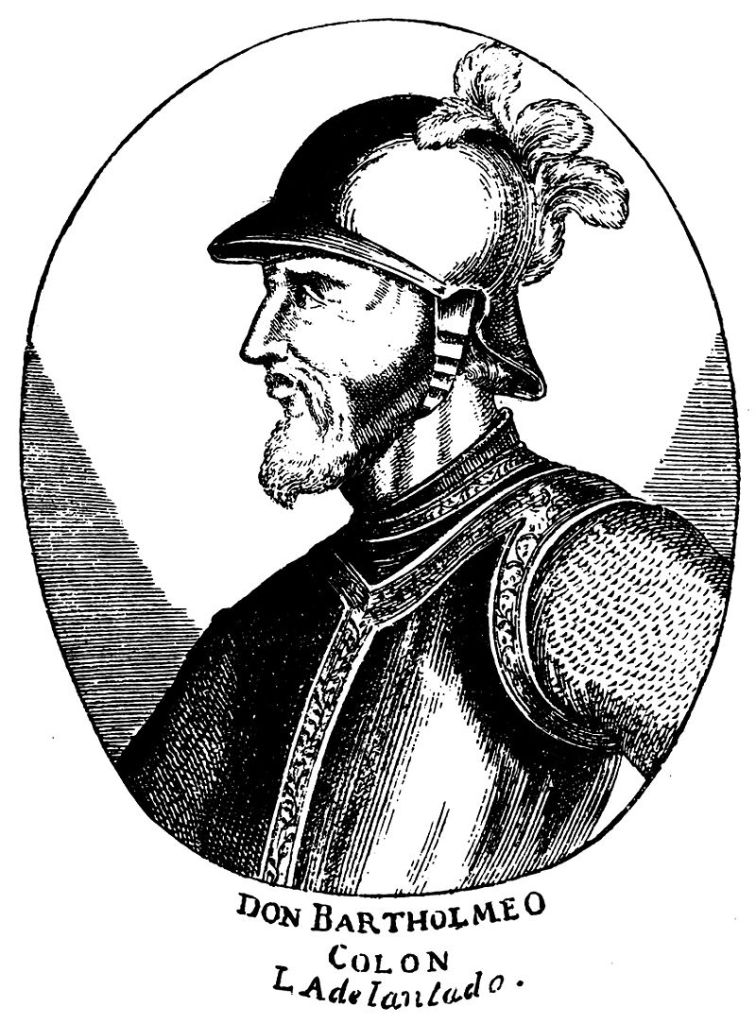
Bartholomew Columbus. Winsor, Justin – Narrative and critical history of America, Volume 2

From the island of Margarita, he sailed north to the island of Hispaniola and landed at Santo Domingo. There, a group of Spaniards, led by the mayor, Francisco Roldán, had rebelled against the authority of Bartholomew Columbus and had retreated inland.

Una vez en Santo Domingo, Cristóbal Colón intentó negociar con los rebeldes y en agosto de 1499 todos los que se habían sublevado fueron indultados y se les permitió regresar a España cuando quisieran.

También surgieron quejas sobre la forma en que los hermanos Colón llevaban los asuntos administrativos. Por otra parte, la isla Española, en lugar de aportar dinero a las arcas reales, sólo exigía gastos. Todo esto llegó a oídos de los monarcas españoles, que enviaron al juez Francisco de Bobadilla, que llegó a Santo Domingo el 23 de agosto de 1500.

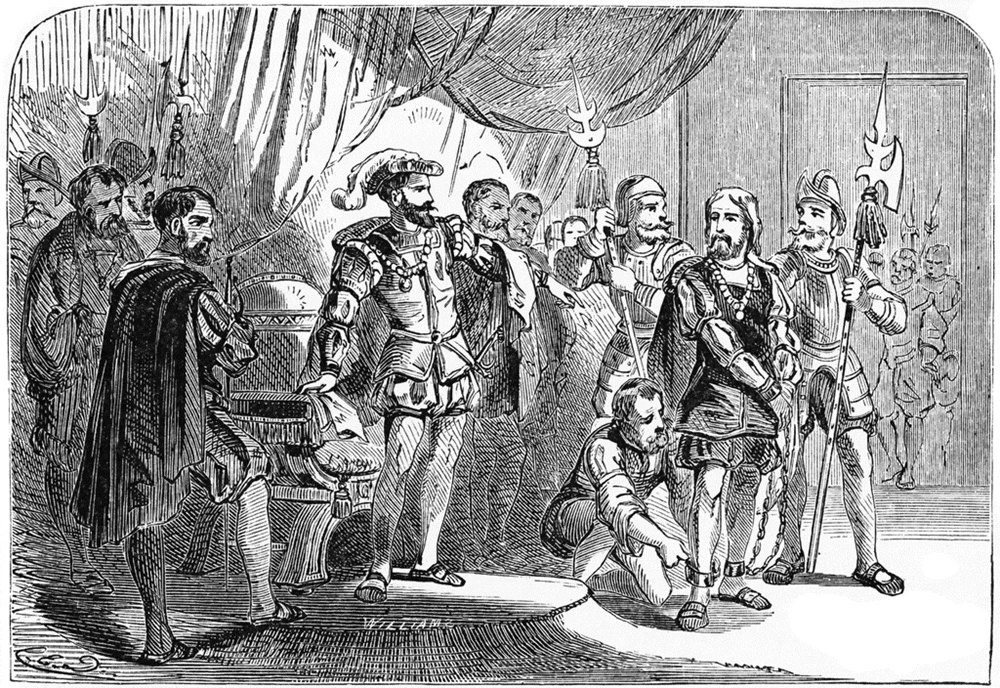
Francisco de Bobadilla detiene a Cristóbal Colón en la isla La Española
Benson John Lossing, ed. Harper’s Encyclopedia of United States History (vol. 2) (New York, NY: Harper and Brothers, 1912)

Colón fue detenido por Francisco de Bobadilla, enviado de los Reyes Católicos, y devuelto a España encadenado.

En noviembre de 1500, Colón llega a España y es liberado, pero se le revocan sus títulos y poderes.

Continúe leyendo la parte 4...

Mar y Acero - Historia - Parte 2 de 4

Antonio Vaquera (game designer) is back with the second part of the historical introduction of our game Sea & Steel: Columbus’ Voyages. If you haven’t read the first part you can do it by clicking this link: Leer parte 1.

Mapa del segundo viaje (Universidad Virtual Miguel de Cervantes)

Segundo viaje (1493-1496):
September 25, 1493: Columbus sets sail from Cádiz with a fleet of 17 ships and over 1,200 men.

3 de noviembre de 1493: Llega a las islas de Sotavento, descubriendo varias islas, entre ellas Puerto Rico.

Upon returning to Hispaniola on November 27, 1493, Columbus found the Fort Navidad destroyed and the men he had left behind, dead. Although the exact circumstances are unclear, it is believed that there were conflicts with other Taíno caciques or internal disputes among the Spaniards. Columbus sought out Guacanagari to obtain explanations about what had happened. Guacanagari claimed that he had been attacked by other rival caciques and that he had been unable to protect the Spaniards. He showed wounds that he claimed were the result of these conflicts.

The Indians of Guacanagari explain to the Spaniards that the attack was the work of Caonabó, a warlike Taíno cacique.

After attending to his affairs in La Isabela, Columbus decided to explore the island of Hispaniola on March 12, ordering the construction of the Santo Tomás fortress there by Pedro de Margarit on March 17.

Parte de una tarjeta del prototipo del juego

Caonabó attacks the Fortress of Santo Tomás and Alonso de Ojeda, according to Bartolomé de Las Casas, manages to capture him with only 15 men. He is then sent to La Isabela to meet with Columbus, who orders him to be sent to Spain to speak with the kings, considering him an important indigenous leader on the island. However, on the way the ship sinks and Caonabó dies. The Indians of four of the five chiefdoms of the island decide to attack La Isabela to rescue Caonabó and expel the Spanish. The cacique of Marién, Guacanagarí, remains at Colón’s side and alerts him of the attack, so Colón prefers to fight the battle outside. The Battle of La Vega Real will take place about 100 kilometers southeast of La Isabela on March 27, 1495, and will result in a Spanish victory, which will pacify the island.

La fundación de la colonia de La Isabela:
Colón eligió un nuevo emplazamiento para el asentamiento en una bahía natural de la costa norte de La Española, que ofrecía una situación estratégica y acceso al mar. Este lugar recibió el nombre de La Isabela, en honor de la reina Isabel de Castilla.

A partir de diciembre de 1493, los colonos empezaron a construir el asentamiento. La Isabela se diseñó con calles, plazas, casas, almacenes y una iglesia. También se construyó un puerto para facilitar la descarga de suministros y futuras expediciones.

Plaza del Caonabo (San Juan de la Maguana, República Dominicana) Foto de MARCIAL FIGUEREO

Exploración de Cuba y Jamaica:
En abril de 1494, Colón zarpó de La Española con una flota de barcos más pequeños, dejando atrás una base de operaciones en la recién establecida ciudad de La Isabela.

Columbus reached the southern coast of Cuba on April 29, 1494. He began his exploration near what is now the province of Guantánamo and then sailed westward along the island’s southern coast.

Colón y su tripulación tuvieron varios encuentros con los nativos taínos de Cuba, que al principio les recibieron con hospitalidad. Los taínos proporcionaron alimentos y otros suministros a los exploradores.

Subsequently, he sailed south and arrived in Jamaica on May 5, 1494. He landed in a bay that he called Santa Gloria, today known as St. Ann’s Bay. They explored the north coast of Jamaica. They found the island rich in natural resources, with abundant vegetation and water resources. Unlike Cuba, no permanent settlements were established in Jamaica during this voyage.

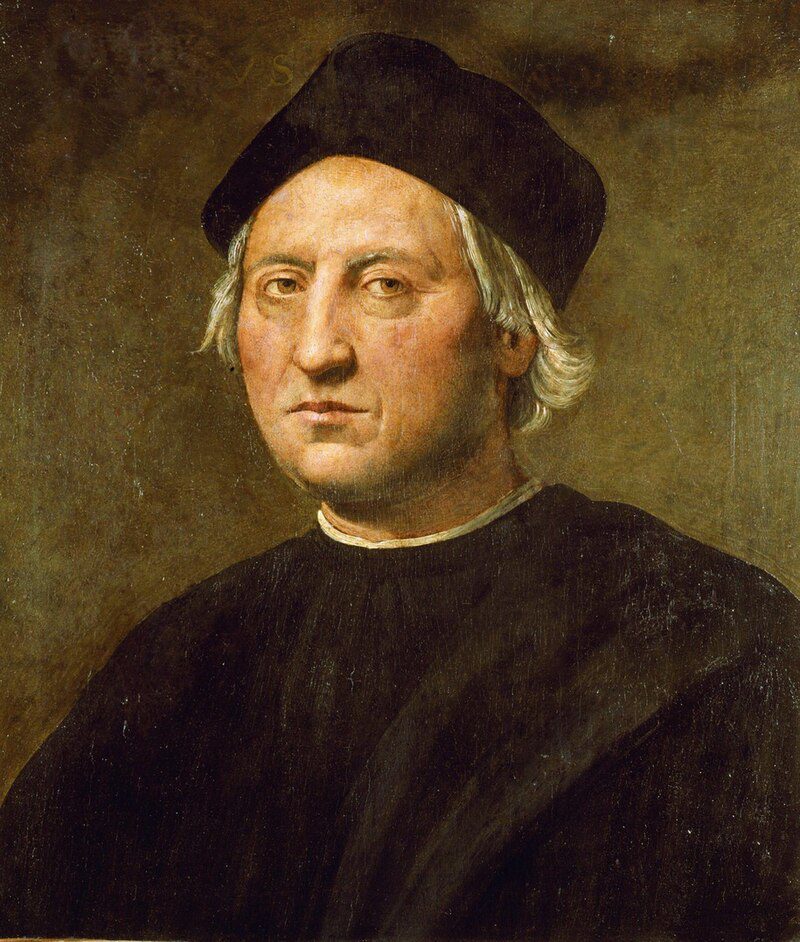
Ridolfo del Ghirlandaio – Ritratto di Cristoforo Colombo

Colón también tuvo sus primeros encuentros con los caribes. Desembarcó en varias islas, entre ellas Guadalupe y Dominica, donde encontraron indicios de la presencia de caribes, como canoas y estructuras, que mostraron hostilidad hacia los europeos, lo que provocó enfrentamientos armados.

Los caribeños asaltaban otras islas y defendían agresivamente sus territorios.

Utilizaban tácticas de guerrilla y aprovechaban su conocimiento del terreno para oponerse a los españoles. Estas tácticas dificultaron las operaciones de Colón y sus hombres en las islas del Caribe.

11 de junio de 1496: Colón regresa a España para defender sus acciones ante los Reyes Católicos.

Continue reading part 3…

Mar y Acero - Historia - Parte 1 de 4

Set sail with us today as we delve into the historical world of Sea & Steel: Columbus’ Voyages! In this first of a four-part series, we’ll set foot alongside Antonio Vaquera (game designer) as he shares the historical background on Christopher Columbus’s first voyage.

Prepárese para descubrir hechos fascinantes y sumergirse en la era de la exploración.

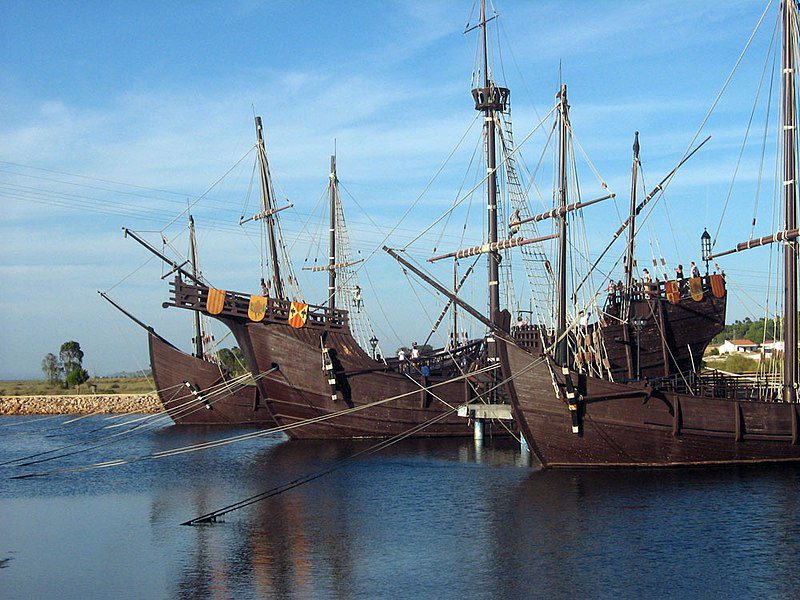
Replicas of the three ships that participated in Christopher Columbus’s first voyage,
situado en el Muelle de las Carabelas (Palos de la Frontera, España).
Autor: Eduardo el Confesor

Resumir en pocas páginas toda la historia del Descubrimiento y Conquista de las Islas del Caribe durante los Cuatro Viajes Colombinos es una tarea titánica, dada la ingente cantidad de información que habría que procesar y condensar.

In any case, I want to make it clear that we are at the end of the first quarter of the 21st century and that it is very difficult – if not impossible – to understand with our current mentality the way of proceeding of both the so-called “Spanish” side in the game, and the “indigenous” side, for which reason we deliberately leave aside any judgment of the legal or moral type that inevitably accompanies this theme.

The following is a brief historical summary in which the most relevant events that took place during the years 1492 to 1503 are briefly recounted, covering Columbus’ Four Voyages to what was called the New World, focusing solely on the Caribbean Islands, since the occasions on which he “touched” land on the Continent were not so relevant.

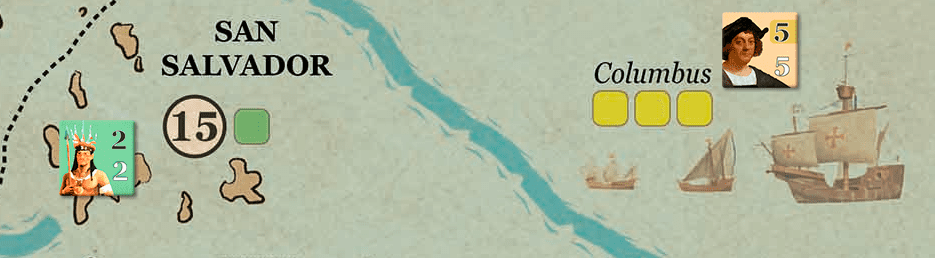
Regardless of the ups and downs of Christopher Columbus’ life and the historical evolution of the Pre-Columbian Caribbean, we must focus on the date of October 12, 1492 (the moment the game begins). This is a significant date in history, as it marks the moment when Christopher Columbus, in the service of the Catholic Monarchs of Spain, reached what is considered the New World. This event is commemorated as the discovery of America by Europeans. Columbus, who had sailed from Palos de la Frontera on August 3, 1492, with three ships – the Santa María, the Pinta, and the Niña – arrived at an island in the Bahamas that the natives called Guanahaní, which Columbus renamed San Salvador (Area 15 of the game map).

Imagen del prototipo de juego módulo vasallo

Este descubrimiento abrió la puerta a la exploración y colonización europea de América, iniciando un periodo de intercambios, conflictos y profundos cambios que alteraron la historia del mundo. El 12 de octubre se celebra en varios países de América y España, y recibe diferentes nombres según el lugar, como Día de la Raza, Día de la Hispanidad o Día del Respeto a la Cultura.
La diversidad.

Mapa del primer viaje (Universidad Virtual Miguel de Cervantes)

Primer viaje (1492-1493):
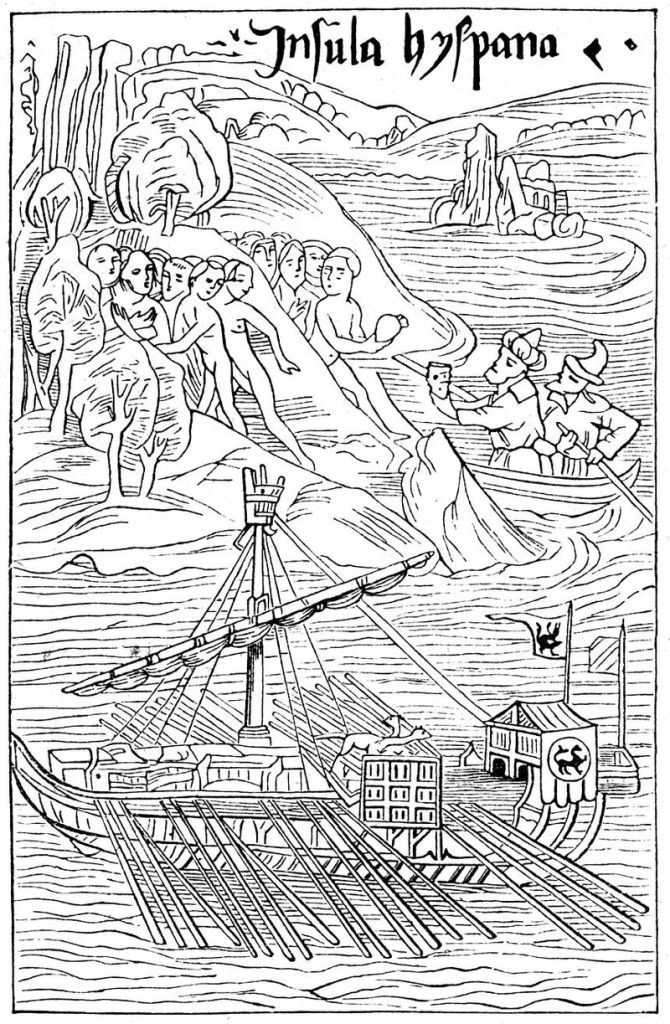
Colón y su tripulación exploraron varias islas del Caribe, entre ellas lo que hoy conocemos como Cuba (a la que Colón llamó Juana) y La Española (Haití y la República Dominicana). Colón tuvo varios encuentros con los nativos, intercambiando bienes y observando sus costumbres. Colón creía haber llegado a islas cercanas a Asia, como Cipango (Japón) y Cathay (China).
Martín Alonso Pinzón, one of Christopher Columbus’s main collaborators and captain of the caravel Pinta, separated from the other two ships at some point in late November or early December 1492. The exact reason for this separation is not entirely clear and has been interpreted in various ways by historians.

On December 25, 1492, the ship called the Santa María was wrecked on Hispaniola. Guacanagari, a Taíno cacique from the region, came to the aid of Columbus and his men. He provided them with shelter, food, and assistance in rescuing the goods from the wrecked ship. The Taínos of Guacanagari showed hospitality and generosity towards the castaways. With the help of Guacanagari, Columbus decided to build a small fort called La Navidad using the remains of the Santa María. This was the first European settlement in the Americas. Columbus left 39 men in La Navidad under the command of an officer, trusting that Guacanagari would protect them.
The Pinta and the Santa María were reunited on January 6, 1493, in Hispaniola, after several weeks of separation, and on March 15, 1493, Columbus returned to Palos de la Frontera, Spain, and was received with honors.

Continue reading part 2…

es_ESSpanish