
Spartacus – History – Part 3 of 4
Third chapter of a 4-part series on Spartacus: Rome Under Threat. If you haven’t read the previous parts you can check it out here:
– Part 1
– Part 2
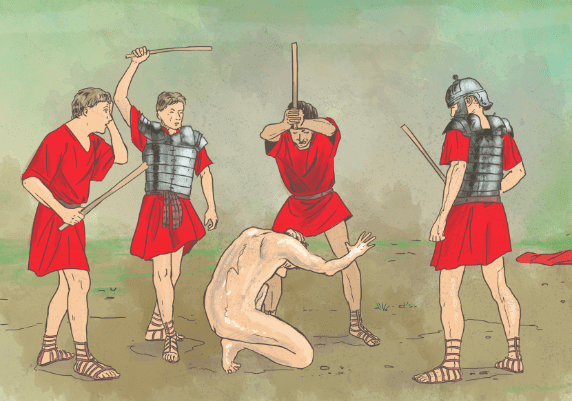
Despite conflicting accounts in ancient sources, it’s generally agreed that Spartacus and his followers were based in southern Italy by early 71 BC. Faced with this escalating rebellion, the Roman Senate appointed Marcus Licinius Crassus to quell the uprising. A veteran of Sulla’s civil war, Crassus commanded a substantial army of approximately 32,000 to 48,000 Roman infantry and auxiliaries. Known for his harsh discipline, Crassus revived the practice of decimation, executing one-tenth of a unit as punishment for cowardice or failure.

As Spartacus’ forces advanced northward, Crassus deployed six legions along the region’s borders. The initial confrontation occurred near Picenum according to Plutarch, while Appian places it in Samnium. Crassus dispatched two legions under Mummius to outflank Spartacus but forbade them from engaging. Despite these orders, Mummius attacked and was defeated. However, Crassus subsequently engaged Spartacus and achieved a decisive victory, inflicting approximately 6,000 casualties on the rebel army.
The tide turned in Crassus’ favor, with his legions winning several more battles and forcing Spartacus to retreat south through Lucania to the straits near Messina. According to Plutarch, Spartacus negotiated with Cilician pirates to transport him and 2,000 of his men to Sicily, where he planned to instigate a slave revolt. However, the pirates betrayed him, taking payment and abandoning the rebels. While minor sources mention attempts at raft and shipbuilding by the rebels, Crassus prevented their escape to Sicily.
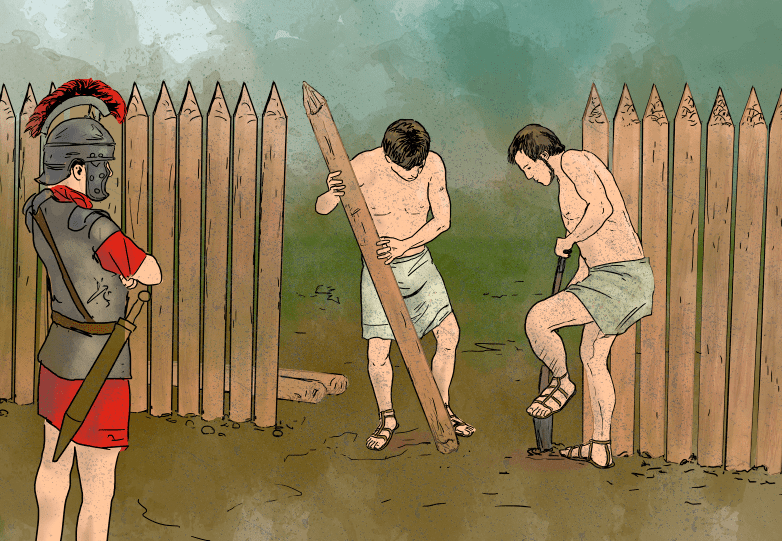
Spartacus’ forces retreated to Rhegium, followed by Crassus’ legions. Crassus fortified the isthmus at Rhegium, effectively besieging the rebels and cutting off their supplies.
 English
  Spanish